Long hours on the road, strict deadlines, and extended time away from family can take a serious toll on truck drivers. For some, the physical and emotional exhaustion of trucking leads to reliance on stimulants, painkillers, or alcohol. What begins as a way to cope with fatigue and stress can quickly spiral into addiction, threatening a driver’s health, career, and personal relationships. Understanding the challenges and accessing proper support is essential for drivers who want to break free from addiction and reclaim control over their lives.
The Unique Challenges Truckers Face
Truck driving is one of the most demanding professions in the country. Drivers often spend days or weeks on the road, sleeping in their trucks, and navigating tight delivery schedules. These conditions can lead to chronic fatigue, pain, and mental strain.
To cope, some drivers turn to prescription medications, stimulants, or alcohol. While these substances may temporarily relieve stress or increase alertness, over time, they can create dependency and worsen the very problems they were intended to manage. Addiction in trucking is not only a personal struggle but a safety concern, as impaired driving endangers both the driver and others on the road.
The Ripple Effect of Addiction
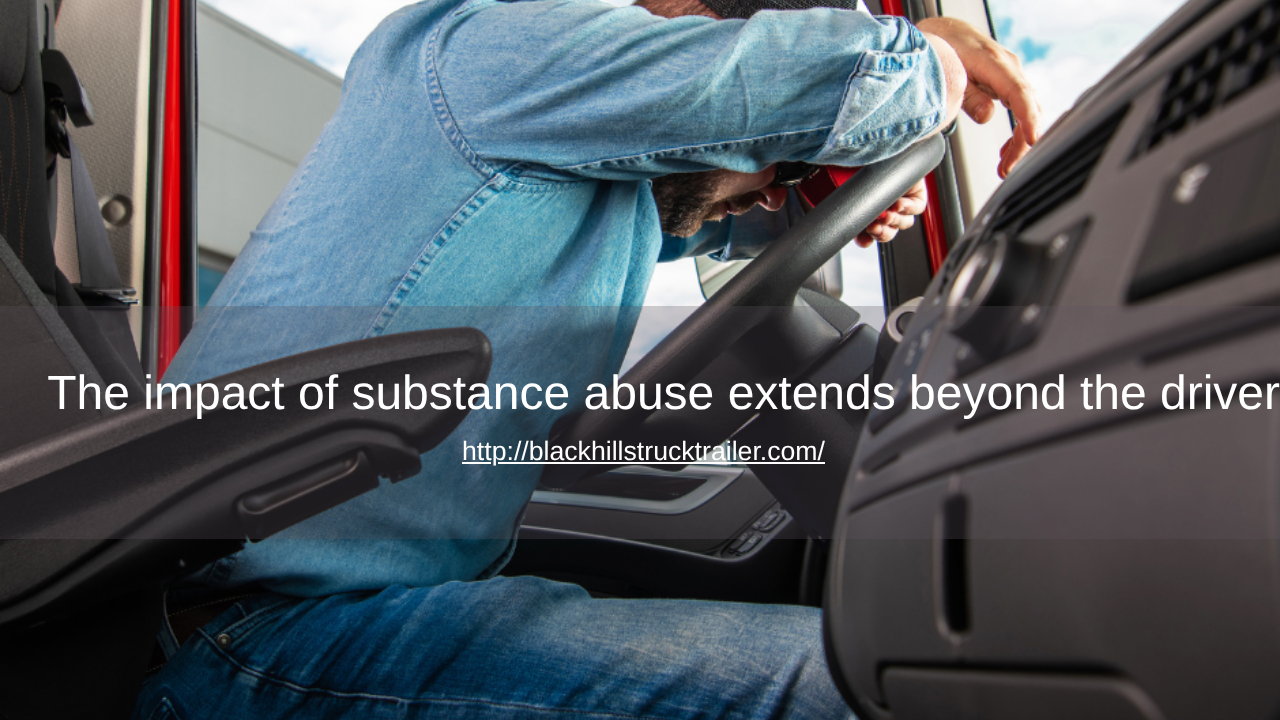
The impact of substance abuse extends beyond the driver. Families experience emotional stress, strained relationships, and financial instability. A partner or child may face anxiety and uncertainty while trying to support someone battling addiction. Professionally, a failed drug test, accident, or ongoing substance use can jeopardize a driver’s license and career.
Recovery is challenging, but with the right approach, truckers can rebuild their health, careers, and personal lives.
Pathways to Recovery
Personalized Treatment Programs
Every driver’s journey to recovery is unique. Inpatient and outpatient programs provide flexible care tailored to the individual’s lifestyle. Inpatient care offers immersive support for those who need round-the-clock guidance, while outpatient programs allow drivers to maintain work and family responsibilities while receiving treatment.
Holistic Approaches to Healing
Effective recovery goes beyond detoxification. Holistic therapies, such as mindfulness, physical fitness, nutrition guidance, and stress management, support the body and mind during the healing process. These approaches help truckers manage triggers, reduce cravings, and maintain long-term sobriety.
Faith-Based and Mental Health Support
For many drivers, faith-based programs provide strength and encouragement during recovery, offering a sense of purpose and community. At the same time, mental health counseling addresses underlying issues such as depression, anxiety, or trauma, which often contribute to substance use. Integrated treatment for addiction and mental health ensures drivers receive the comprehensive support needed to sustain recovery.
Taking the First Step
Breaking free from addiction is possible with the right resources and support. Drivers who seek help through professional addiction recovery services, mental health treatment, and holistic care can regain control over their lives and health. Family involvement, peer support, and ongoing counseling play key roles in maintaining sobriety and rebuilding trust.
Recovery is a journey, and every step forward matters. If you or a loved one is struggling with addiction, taking the first step to seek help today can lead to a healthier, safer, and more fulfilling life both on and off the road.