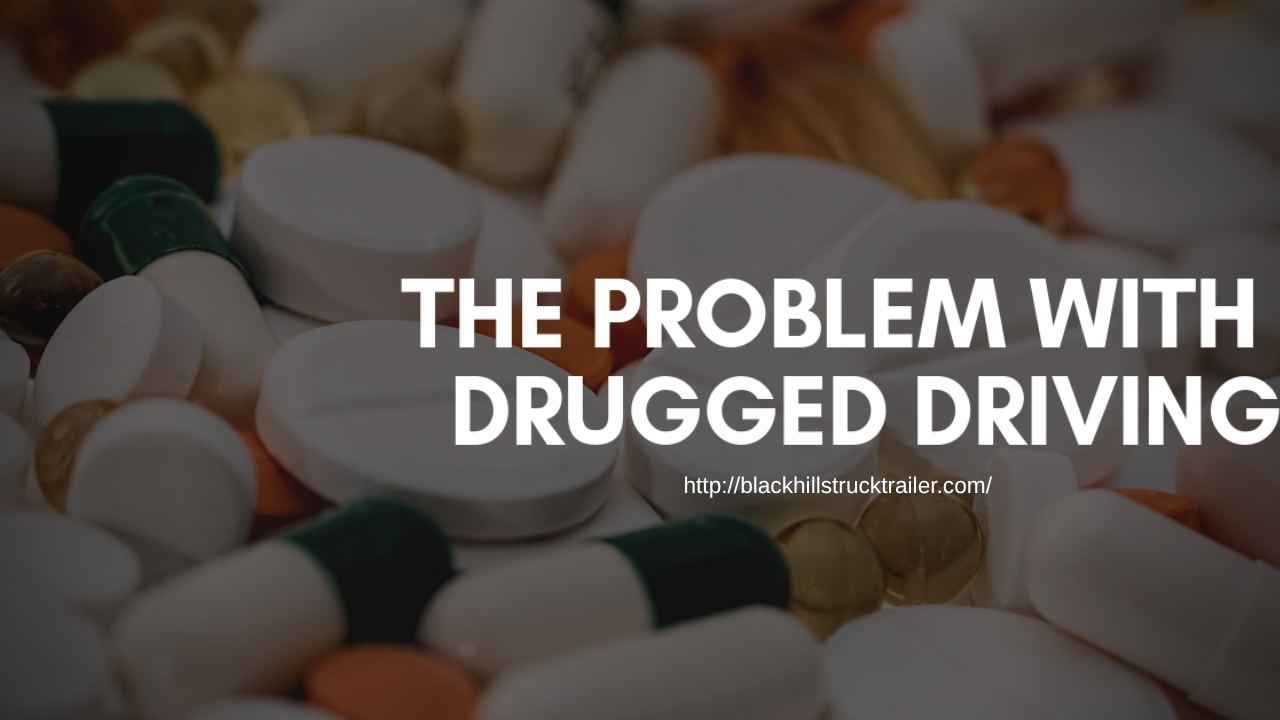
The trucking industry is a critical component of modern commerce, delivering goods across cities, states, and countries. Yet behind the wheel of many big rigs, a silent epidemic is growing: addiction. Substance abuse among truck drivers is a hidden crisis that threatens not only the health of the drivers themselves but also public safety and the well-being of their families.
The Perfect Storm for Addiction
Truck driving is a profession laden with stress, fatigue, and loneliness. Drivers often face relentless pressure to meet delivery deadlines, despite long hours and unpredictable road conditions. Paid primarily by the mile, many drivers sacrifice sleep and well-being to maximize their earnings. Unfortunately, this has led some to rely on substances to cope.
Stimulants like amphetamines, cocaine, and prescription drugs are often used to combat exhaustion and stay alert during long hauls. While these substances may provide temporary energy, they come with dangerous side effects, including increased heart risks, mood disorders, and dependency.
Conversely, depressants such as alcohol, opioids, and marijuana are frequently used to unwind after a stressful day or manage chronic pain from the physical toll of driving. Over time, occasional use can spiral into full-blown addiction, putting drivers and others at risk.
The Isolation Factor
Truckers spend weeks away from home, cut off from their social circles and support networks. The isolation of life on the road can lead to depression and anxiety, increasing the temptation to self-medicate with drugs or alcohol. The lack of access to consistent healthcare or mental health services makes it even more challenging for drivers to get the help they need.
Additionally, the stigma surrounding addiction in the trucking industry discourages many from speaking up. Fear of job loss or being labeled unfit for work forces drivers to hide their struggles, deepening the cycle of abuse.
The Public Safety Concern
Addiction among truckers is not just a personal issue; it poses a serious threat to public safety. Impaired driving due to drug or alcohol use significantly raises the risk of accidents. According to the Federal Motor Carrier Safety Administration (FMCSA), thousands of substance abuse violations are reported each year among commercial drivers, but experts believe the true number is much higher.
When addiction leads to crashes, the consequences can be fatal, affecting innocent motorists as well as the drivers themselves. The financial and emotional costs of these accidents ripple through communities, making this a public health concern.
Addressing the Epidemic
Solving the addiction crisis in trucking requires systemic change. Companies must provide better support, including mental health resources, regular health screenings, and substance abuse education. Instead of punitive policies, employers should offer confidential treatment options and second-chance programs for drivers willing to seek help.
Support groups, rehabilitation programs tailored to drivers, and telehealth services can also bridge the gap, offering help on the road and at home. By acknowledging the problem and prioritizing recovery, the trucking industry can begin to dismantle this hidden epidemic and pave the way for healthier, safer roads.