
Healthy Highways: Support Systems and Recovery Options for Truck Driver Addiction

Truck driving keeps supply chains moving and communities supplied, but behind every mile is a driver facing unique pressures that many people never see. Long hours on the road, isolation from family, and physical fatigue can slowly build into stress that feels impossible to escape. For some drivers, substances like alcohol, prescription medications, or stimulants may start as a way to cope but can develop into addiction over time. The path forward is not about judgment. It is about support, understanding, and access to effective care. At Black Hills Truck Trailer, we provide compassionate, individualized addiction treatment and mental health services designed specifically for truck drivers.

Understanding Addiction in the Trucking Industry

Addiction in trucking is often connected to the lifestyle itself. The job demands endurance, focus, and long stretches of solitude, which can take a toll on both mental and physical health.

High pressure and constant deadlines

Truck drivers work under strict schedules where delays can create financial and professional stress. This constant pressure can lead to chronic anxiety and burnout, increasing the risk of substance use as a coping tool.

Isolation on the road

Spending days or weeks away from home can create emotional distance and loneliness. Without regular social connection, some drivers may struggle with depression or emotional fatigue, which can contribute to unhealthy coping behaviors.

Physical strain and fatigue

Long driving hours, limited rest, and disrupted sleep patterns place significant strain on the body. Some drivers may turn to substances to stay alert or manage discomfort, which can quickly lead to dependency.

The Importance of Support Systems in Recovery

Recovery is much more successful when drivers have strong support systems in place. No one should have to navigate addiction alone, especially in a profession that often feels isolating.

Family and personal connections

Staying connected with loved ones provides emotional stability and motivation during recovery. Regular communication helps reduce feelings of isolation and reinforces accountability.

Peer support and shared experience

Connecting with others who understand the trucking lifestyle can be incredibly powerful. Peer support groups offer encouragement, understanding, and shared strategies for staying sober on the road.

Professional treatment teams

Addiction recovery professionals provide structured guidance, therapy, and medical support. These teams help drivers identify triggers, develop coping skills, and create long term recovery plans.

Recovery Options Designed for Truck Drivers

At Black Hills Truck Trailer, we understand that recovery must fit the realities of life on the road. That is why treatment options are flexible, personalized, and focused on long term success.

Inpatient treatment programs

Inpatient care offers a structured environment where drivers can step away from daily stressors and focus entirely on healing. This includes therapy, medical supervision, and daily routines designed to rebuild stability and health.

Outpatient treatment programs

Outpatient care allows drivers to receive treatment while continuing to work or manage personal responsibilities. Scheduled counseling sessions and ongoing support make recovery accessible without requiring a complete break from driving.

Mental health and dual diagnosis care

Many drivers struggling with addiction also experience underlying mental health conditions such as anxiety, depression, or trauma. Treating both conditions together leads to stronger and more sustainable recovery outcomes.

Holistic and faith based support

Holistic care focuses on healing the mind, body, and spirit through practices like mindfulness, nutrition, exercise, and stress management. Faith based support can also provide purpose, encouragement, and community connection that strengthens recovery.

Practical Strategies for Healthier Highways

Drivers can take meaningful steps to protect their well being while on the road and support long term recovery.

  • Maintain consistent sleep routines whenever possible
  • Stay hydrated and prioritize balanced meals
  • Take short breaks to stretch and reset mentally
  • Use healthy coping tools such as breathing exercises or journaling
  • Stay connected with family or support networks daily
  • Seek help early when stress or substance use becomes concerning

These small actions can build resilience and reduce the risk of relapse or dependency.

Conclusion: Building a Healthier Future on the Road

Healthy highways start with healthy drivers. Addiction does not have to define life in the trucking industry, and recovery is always possible with the right support and care. By combining professional treatment, strong support systems, and personalized recovery plans, drivers can regain control of their health and their future.

At Black Hills Truck Trailer, we are committed to helping truck drivers find lasting recovery through compassionate, individualized care that addresses both addiction and mental health. If you or someone you care about is struggling, reaching out today can be the first step toward safer roads, stronger well being, and a healthier life ahead.

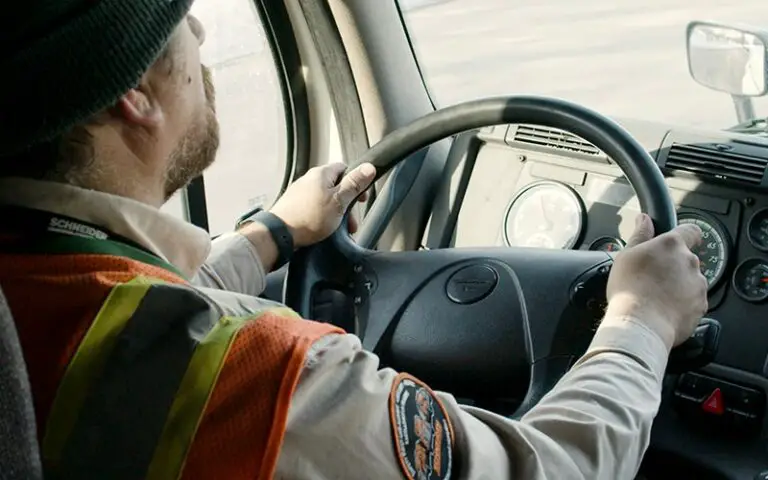
Alone on the Road: Combating Isolation and Addiction for Long-Haul Drivers

Long-haul trucking is a profession built on endurance, discipline, and long stretches of solitude. While the open road can offer independence, it also brings a quieter challenge that is often overlooked. Isolation. For many drivers, extended time away from family and support systems can slowly take a toll on mental health. In some cases, this isolation can contribute to substance use as a way to cope with stress, fatigue, or loneliness. At Black Hills Truck Trailer, we understand these challenges and provide compassionate, individualized addiction treatment and mental health care designed specifically for truck drivers.

The Hidden Impact of Isolation in Trucking

Isolation is not just about being alone. It is about being disconnected from meaningful support for long periods of time. For truck drivers, this can become a daily reality.

Emotional strain on long routes

Spending days or weeks on the road can lead to emotional exhaustion. Without regular connection to loved ones, drivers may experience loneliness, anxiety, or feelings of detachment. Over time, these emotions can build and become difficult to manage without healthy coping strategies.

Stress without immediate support

When challenges arise on the road, such as delays, mechanical issues, or tight deadlines, drivers often have to manage them alone. This lack of immediate support can increase stress levels and make unhealthy coping mechanisms more tempting.

Sleep disruption and mental fatigue

Irregular schedules and overnight driving can disrupt natural sleep cycles. Fatigue not only affects physical health but also impacts emotional stability and decision making, increasing vulnerability to substance use.

How Isolation Can Contribute to Addiction

While not every driver who experiences isolation develops addiction, the risk increases when emotional strain goes unaddressed.

Substance use as a coping mechanism

Some drivers may turn to alcohol, stimulants, or prescription medications to manage stress, stay awake, or numb emotional discomfort. What begins as occasional use can gradually become dependency.

Cycle of avoidance and dependence

Isolation can create a cycle where substance use temporarily relieves discomfort but ultimately worsens emotional health. This cycle can be difficult to break without structured support and professional treatment.

Recognizing When Help Is Needed

Early awareness can make a significant difference in recovery outcomes. Truck drivers and their loved ones should watch for warning signs such as:

  • Relying on substances to manage stress or fatigue
  • Feeling disconnected or emotionally numb
  • Changes in sleep patterns or energy levels
  • Declining performance or increased risk taking on the road
  • Pulling away from family or social connections

Acknowledging these signs is not a weakness. It is an important step toward recovery and stability.

Effective Ways to Combat Isolation and Addiction

Recovery requires both emotional support and practical tools that fit the trucking lifestyle.

Building consistent connection

Staying in regular contact with family, friends, or support groups can reduce feelings of isolation. Even short daily check ins can provide emotional grounding during long hauls.

Creating healthy routines on the road

Simple routines such as regular sleep schedules, balanced meals, hydration, and short physical activity breaks can improve both mental and physical health.

Developing healthier coping strategies

Replacing substance use with healthier habits is essential. This may include listening to podcasts, practicing breathing exercises, or using journaling to process emotions during downtime.

Seeking professional addiction treatment

Professional care is often necessary to address both substance use and underlying emotional challenges. At Black Hills Truck Trailer, we provide individualized treatment plans designed specifically for truck drivers.

Compassionate Treatment Options for Drivers

Effective recovery must consider the realities of life on the road.

Inpatient treatment programs

Inpatient care provides a structured environment where drivers can focus fully on recovery, with therapy, medical support, and daily guidance.

Outpatient treatment programs

Outpatient care allows drivers to continue working while receiving counseling and ongoing support, making recovery more accessible and flexible.

Mental health and dual diagnosis care

Many drivers experience anxiety, depression, or trauma alongside substance use. Treating both mental health and addiction together improves long term recovery outcomes.

Holistic and faith based support

Holistic care focuses on healing the mind, body, and spirit. Faith based support and wellness practices such as mindfulness and stress management help strengthen resilience and emotional balance.

Conclusion: No Driver Has to Face This Alone

Isolation is one of the most overlooked challenges in the trucking industry, but it does not have to lead to addiction or long term struggle. With the right support, drivers can break the cycle, rebuild connection, and restore their well being.

At Black Hills Truck Trailer, we provide compassionate, individualized care designed to meet drivers where they are. If you or someone you care about is struggling with isolation or substance use, reaching out for help can be the first step toward lasting recovery and a healthier future on and off the road.

Driving Change: Practical Strategies for Overcoming Addiction in the Trucking Industry

The trucking industry plays a vital role in keeping supply chains moving, but behind the wheel, many drivers face challenges that often go unseen. Long hours, isolation, physical strain, and unpredictable schedules can create conditions where substance use becomes a coping mechanism. Over time, what begins as stress relief can develop into addiction, affecting health, safety, and personal relationships. The good news is that recovery is not only possible, it is achievable with the right strategies, support, and care. At Black Hills Truck Trailer, we provide compassionate, individualized addiction treatment and mental health support designed specifically for truck drivers.

Understanding Why Addiction Develops in Truck Drivers

Addiction in the trucking industry rarely begins suddenly. It often develops gradually as drivers attempt to manage the unique pressures of life on the road.

High stress and demanding schedules

Truck drivers operate under tight deadlines while navigating long distances and unpredictable road conditions. This constant pressure can lead to chronic stress and exhaustion, which increases vulnerability to substance use.

Isolation and emotional strain

Spending days or weeks away from home can create deep feelings of loneliness. Without consistent emotional support, some drivers may turn to substances as a way to cope with isolation and fatigue.

Physical discomfort and fatigue

Long hours of sitting, disrupted sleep patterns, and physical strain can lead to chronic pain and exhaustion. In some cases, substances may be used to stay awake or manage discomfort, increasing the risk of dependency.

Recognizing the Early Warning Signs of Addiction

Early recognition is one of the most important steps toward recovery. Truck drivers and their loved ones should watch for patterns that may indicate substance use is becoming a problem.

Common warning signs include:

  • Using alcohol or drugs to stay alert or relax after shifts
  • Increased irritability, anxiety, or mood changes
  • Poor sleep habits or ongoing fatigue
  • Decline in job performance or unsafe driving behaviors
  • Withdrawing from family, friends, or coworkers
  • Neglecting physical health and personal care

Acknowledging these signs early creates an opportunity for meaningful intervention and support.

Practical Strategies for Overcoming Addiction

Recovery is not a single decision but a process that requires tools, structure, and support. Truck drivers can take meaningful steps toward change with the right approach.

Build a structured routine on and off the road

Consistency helps stabilize both mental and physical health. Prioritizing sleep, balanced meals, hydration, and regular breaks can reduce stress and improve overall well-being.

Replace substance use with healthy coping strategies

Developing healthier alternatives is essential for long-term recovery. This may include listening to calming audio, practicing breathing exercises, journaling, or engaging in short physical activity during breaks.

Strengthen connection and communication

Isolation fuels addiction. Staying connected with family, friends, or support groups helps reduce loneliness and provides emotional grounding during difficult moments.

Seek professional addiction treatment

Professional care is often necessary to break the cycle of addiction. At Black Hills Truck Trailer, we offer individualized treatment plans that address both substance use and underlying mental health concerns.

Comprehensive Treatment Options for Truck Drivers

Recovery is most effective when care is tailored to the realities of life in the trucking industry.

Inpatient treatment programs

Inpatient care provides a structured environment where drivers can step away from daily stressors and focus fully on recovery. This includes therapy, medical support, and consistent daily structure.

Outpatient treatment programs

Outpatient care allows drivers to continue working while receiving counseling and support. This flexibility makes recovery more accessible for those who cannot take extended time off the road.

Mental health support

Many drivers face underlying conditions such as anxiety, depression, or trauma. Addressing these concerns through therapy and counseling is a critical part of long-term recovery.

Holistic and faith based care

Holistic approaches focus on healing the mind, body, and spirit. Faith based support and wellness practices such as mindfulness, exercise, and nutrition help strengthen resilience and emotional balance.

Taking the First Step Toward Recovery

Change begins with a single decision to seek help. Addiction can feel overwhelming, especially in a demanding profession like trucking, but no driver has to face it alone. Support, treatment, and recovery tools are available and effective when applied with care and consistency.

Conclusion: A Healthier Future Is Possible

Overcoming addiction in the trucking industry requires more than willpower. It requires understanding, structure, and compassionate support. With the right strategies and professional care, truck drivers can regain control of their health, rebuild relationships, and create a more stable future both on and off the road.

At Black Hills Truck Trailer, we are committed to helping drivers take that first step toward lasting recovery through personalized, holistic, and evidence based treatment. If you or someone you care about is struggling with addiction, reaching out today can be the start of a healthier and more hopeful journey.

Miles of Struggle: How Truckers Can Recognize and Address Substance Use

Truck driving is a demanding profession that requires long hours, mental focus, and extended periods away from home. While the open road offers freedom and independence, it also brings stress, fatigue, and isolation. For some truck drivers, substances such as alcohol, prescription medications, or stimulants may appear to be a way to manage these pressures. Over time, casual use can develop into addiction, creating serious risks for health, safety, and career stability. At Black Hills Truck Trailer, we provide compassionate, individualized care to help truck drivers recognize substance use, understand the risks, and access effective recovery options.

Understanding Substance Use in Trucking

The trucking industry presents unique challenges that contribute to substance use. Long hours behind the wheel, irregular schedules, and constant deadlines can increase stress and fatigue. Drivers may turn to stimulants to stay awake, prescription medications for pain, or alcohol to unwind. While these substances may provide temporary relief, they often create dependency, impair judgment, and increase the risk of accidents or health complications.

Isolation as a Risk Factor

Spending days or weeks away from family, friends, and support networks can amplify feelings of loneliness and emotional strain. Isolation often increases vulnerability to substance use as a coping mechanism. Understanding the link between isolation and addiction is a critical first step for drivers seeking recovery.

Physical and Emotional Strain

Fatigue, sleep disruption, and physical discomfort are common for long-haul drivers. These stressors can exacerbate anxiety, depression, and chronic stress. Drivers who ignore these issues may be more likely to self-medicate with alcohol or drugs, which can quickly lead to addiction.

Recognizing the Signs of Substance Use

Early recognition of substance use is essential to prevent addiction from worsening. Truck drivers, families, and employers should be aware of warning signs, including:

  • Frequent use of alcohol or drugs to manage stress or fatigue
  • Mood swings, irritability, or heightened anxiety
  • Neglect of personal health, such as irregular meals or poor sleep
  • Declining work performance or repeated safety incidents
  • Withdrawal from family, friends, or support networks

Identifying these warning signs early allows drivers to seek professional help before the problem escalates.

Support and Treatment Options for Truck Drivers

Effective recovery addresses both the substance use and the underlying causes. Black Hills Truck Trailer offers tailored programs for truck drivers, combining professional therapy, holistic approaches, and community support.

Inpatient Treatment

Inpatient programs provide a structured, supportive environment where drivers can focus entirely on recovery. Daily therapy sessions, medical supervision, and guided routines help individuals develop healthy coping strategies and build long-term stability.

Outpatient Treatment

Outpatient programs offer flexibility for drivers who need to maintain work or family commitments. Counseling, therapy, and support groups are scheduled around individual needs, allowing drivers to engage in recovery while maintaining their responsibilities.

Holistic and Faith-Based Approaches

Holistic programs address mind, body, and spirit through mindfulness, nutrition, exercise, and stress management techniques. Faith-based programs provide spiritual guidance and a supportive community that encourages resilience and lasting sobriety.

Mental Health Services

Many truck drivers face underlying mental health challenges, including depression, anxiety, or trauma. Personalized counseling and therapy address these issues, helping drivers manage stress and maintain recovery over the long term.

Practical Steps for Drivers

  • Seek professional help early, before substance use escalates
  • Maintain regular sleep, nutrition, and exercise routines
  • Stay connected with family, friends, and peer support networks
  • Identify personal triggers and create a relapse prevention plan
  • Participate in therapy and holistic practices to strengthen resilience

Conclusion: Taking Control on the Open Road

Substance use does not have to define a truck driver’s life. With the right tools, support, and professional guidance, drivers can recognize addiction, address its root causes, and reclaim their health, safety, and personal well-being. Black Hills Truck Trailer provides compassionate, individualized care designed to meet the unique challenges of life on the road. If you or a loved one is struggling with substance use or addiction, reaching out for help is the first step toward lasting recovery. Contact us today to start your journey toward wellness and a safer, healthier life on the road.